
The best small house garden ideas share one habit: they use height, containers, and overlooked corners instead of open ground. A balcony rail, a fence, a porch step, and a bright windowsill can each hold a working garden, provided the plants match the light you actually get. Below are 20 ideas grouped by the kind of space they suit, along with the basics that decide whether any of them succeed.
Watch the spot for a full day before buying anything. Fruiting vegetables such as tomatoes, peppers, and green beans need 6 to 8 hours of direct sun daily, according to Oregon State University Extension. Many salad greens can manage on as little as four hours, based on University of Vermont Extension guidance, so a shadier porch suits lettuce better than tomatoes.
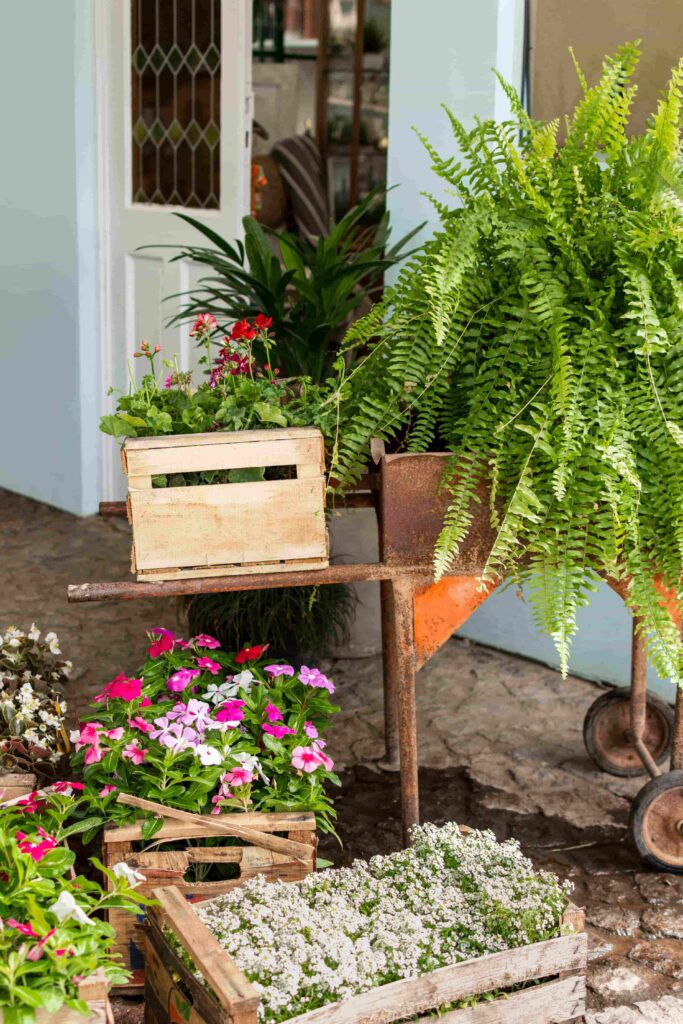
Almost any container works if water can escape. Drill holes in buckets, crates, or bins that lack them, and lift pots on bricks or wooden slats so they never sit in a saucer of water. Fill them with potting mix made for containers rather than garden soil, as Penn State Extension advises. Size matters too. A single tomato plant needs a five-gallon pot, while basil needs only about eight inches of soil depth.
Trellising is one of the easiest ways to gain growing room. Nebraska Extension notes that beans and peas need the lightest support, so they make good first crops.
Raised beds are small by design, so they pair naturally with trellises: vining crops need somewhere to climb when there is no room to sprawl.
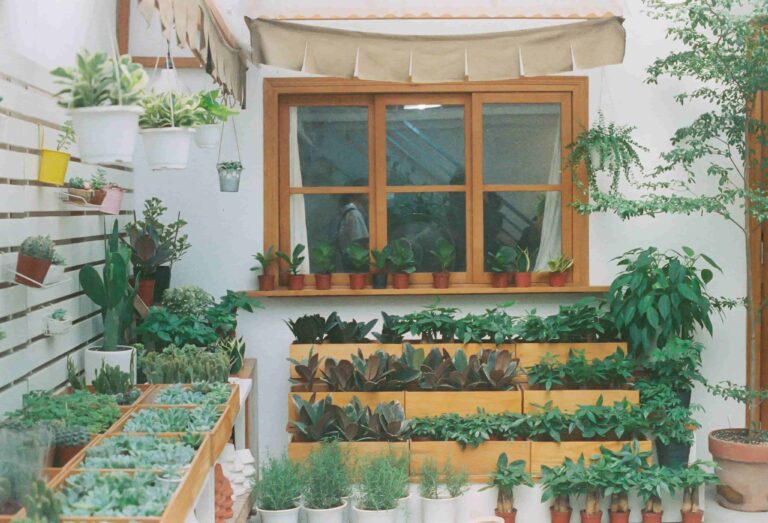
Indoor light is weaker than it feels, so use the brightest window you have and turn pots occasionally.
| Setup | Good fit | Main limit | Upkeep |
|---|---|---|---|
| Patio containers | Tomatoes, peppers, herbs | Soil dries out quickly in summer | Frequent watering |
| Trellis or fence | Pole beans, peas, cucumbers | Needs a sturdy structure | Tying vines, regular picking |
| Narrow raised bed | Mixed vegetables and flowers | Needs some ground space | Steady watering, occasional feeding |
| Windowsill | Herbs, small greens | Limited light indoors | Light, regular watering |
Most small gardens combine two of these. A patio with pots and a trellis covers a lot of ground in a few square feet.
Pots dry out faster than ground soil. Water when the top of the soil feels dry and keep going until water runs from the drainage holes, as Oregon State Extension recommends. In hot summer weather, Penn State Extension says most container gardens need water at least once a day. Nutrients wash out with all that watering, so mix in a slow-release fertilizer at planting and add a soluble fertilizer every two to four weeks.
Three mistakes show up again and again:
Pick your sunniest spot, measure the hours of direct light, and begin with two or three containers that drain well. Herbs and salad greens are easy first crops.
Yes, if they drain. Drill holes in the bottom, and sanitize used containers with a mix of 10 percent bleach and 90 percent water before planting.
Choose vining or pole types for trellises and bush types for pots with no support. Many vegetables, including green beans, come in both forms, so read the tag.
Twine strung between two sturdy stakes or posts suits beans and peas well. Melons and other heavy crops need something much sturdier.
Leafy greens are the better bet, since some manage on about four hours of direct sun. Tomatoes, peppers, and beans want 6 to 8.
A small space asks for better choices rather than more room. Start with the light you have, choose containers that drain, and let vertical supports do the work of extra ground. Two or three well-chosen setups, such as a few pots by the door and a bean trellis on the fence, are easier to keep up than a crowded yard of half-used beds. Add to the garden one idea at a time, watch how each plant responds, and adjust the following season. Local climate and frost dates vary widely across the United States, so your local extension office can advise on planting dates for your area.
Sign up for my newsletter to see new photos, tips, and blog posts.