My neighbor started a tiny kitchen garden last spring in three plastic containers on her apartment balcony. By July, she was handing me fresh basil like it was nothing, completely smug about it, and honestly? Rightfully so. I ended up starting my own that same week out of pure jealousy.
Kitchen gardening sounds intimidating before you actually try it. Seeds, soil types, sunlight hours, drainage — there’s a lot of terminology that makes it feel like you need some kind of agriculture degree before you can grow a tomato on your windowsill. You really don’t, though. Most of it comes down to a few basic principles, decent containers, and a bit of patience while things figure themselves out.
What Kitchen Gardening Actually Involves
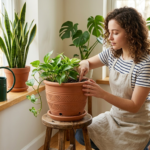
Kitchen gardening just means growing edible plants — herbs, vegetables, maybe some fruits — close to where you actually cook and eat. Could be a windowsill, a balcony, a small patch of yard right outside the back door, wherever you’ve got a bit of space and decent light.
The whole appeal is freshness. There’s a noticeable difference between basil snipped straight from a pot on your counter and whatever dried version’s been sitting in a jar for eight months. Once you’ve cooked with genuinely fresh herbs, it’s hard to go back.
Picking the Right Spot Before Anything Else
Before you buy a single seed, figure out where your garden’s actually going to live. This matters more than most beginners expect.
Most edible plants want at least five to six hours of direct sunlight daily. South-facing windows are usually the winner indoors. Balconies or patios work great if they catch enough sun throughout the day.
If your space is genuinely low-light, don’t panic. Leafy herbs like mint, parsley, and chives tolerate shade better than most, and a small grow light for twenty dollars or so can fix a lot of problems.
Starting With Herbs Growing — the Easiest Entry Point
Herbs growing is where almost everyone should start, and for good reason. They’re forgiving, fast-growing, genuinely useful in the kitchen, and don’t need enormous containers or complicated setups to thrive.
Basil, mint, cilantro, rosemary, and thyme are the reliable ones. Basil wants warmth and hates cold drafts near windows in winter. Mint grows almost aggressively — keep it in its own container, or it’ll crowd out everything else nearby. Rosemary likes things on the drier side, so don’t overwater it.
Start with three or four herbs max, see how they do, add more once you’ve got a feel for the rhythm. Trying to grow ten things at once in your first week is how people get overwhelmed and quit.
Vegetable Pots for Small Spaces
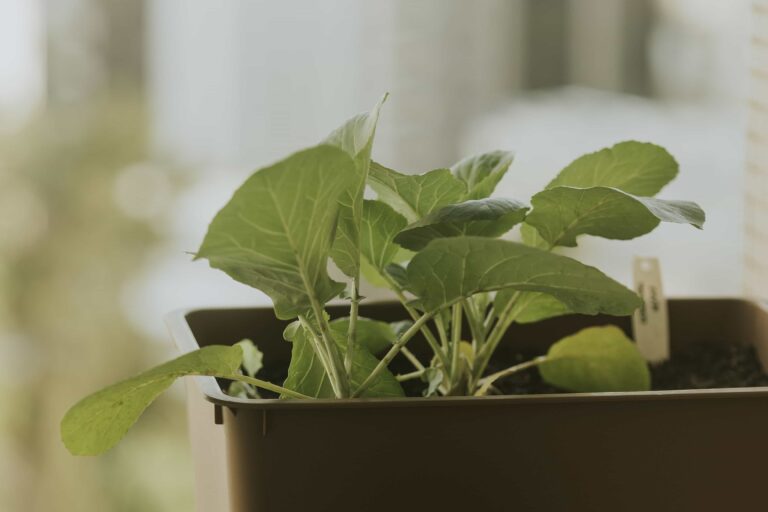
Vegetable pots work remarkably well for kitchen gardening, especially if outdoor ground space isn’t an option at all. Most compact vegetable varieties were basically bred for exactly this situation.
Cherry tomatoes, chili peppers, spinach, lettuce, and radishes all do well in containers. The main thing to watch is pot size — tomatoes need something deeper and wider than most beginners expect, at least a ten to twelve inch pot, while lettuce and spinach are fine in shallower trays.
Drainage matters a lot here. Pots without drainage holes turn into little swamps, and roots sitting in waterlogged soil is a reliable way to kill plants faster than almost anything else. If a pot you love doesn’t have holes, either drill some or use it as an outer decorative layer with a properly drained inner pot.
Soil, Water, and Feeding — Keeping It Simple
Garden soil from the yard usually doesn’t work well in pots. It compacts over time and restricts root growth container plants need. A good potting mix handles drainage and aeration better, and it’s worth spending a little extra rather than skimping.
Watering is where most beginners either overdo it or forget entirely. Stick a finger an inch into the soil — if it’s dry at that depth, water. If it’s still damp, leave it alone.
Feeding matters once plants are actively growing. A simple liquid fertilizer every two to three weeks during the growing season keeps things producing without overcomplicating things.
Growing Organic Food at Home Without Much Fuss
Growing organic food at home is simpler than people make it sound. Skip the synthetic pesticides, use compost or organic-certified fertilizers, and let the plants mostly do their thing.
Companion planting helps too — basil near tomatoes apparently deters certain pests, and marigolds near vegetables generally keep unwanted insects away. Costs almost nothing extra to try.
Small Space Garden Ideas That Actually Work
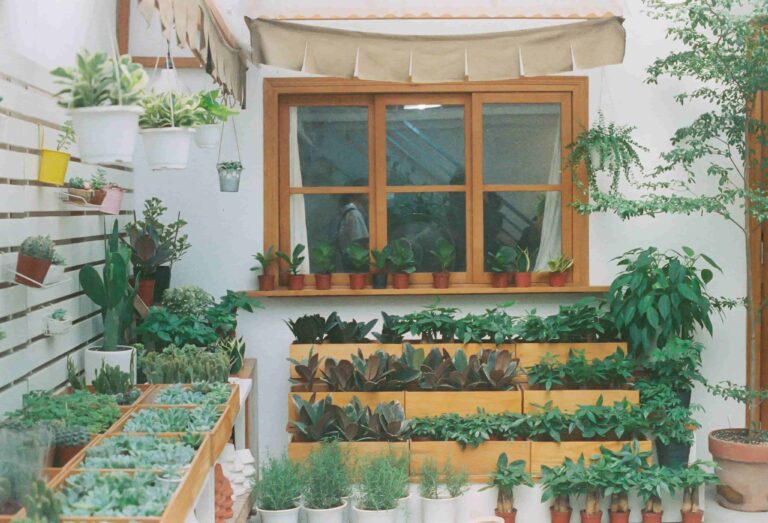
A small space garden doesn’t need much to function well. Vertical growing solves a lot of problems — a simple wall-mounted planter or stacked shelf setup multiplies your growing area without needing any additional floor space at all.
Window boxes work beautifully for herbs. Hanging baskets handle trailing plants like strawberries or certain tomato varieties. Even a sunny kitchen countertop with two or three pots going counts as a kitchen gardening setup that’ll genuinely supply fresh things throughout the season.
Conclusion
Kitchen gardening for fresh herbs and vegetables at home doesn’t need a lot of space, money, or expertise to get started. A few containers, decent soil, a sunny spot, and some patience with yourself while you learn — that’s basically the whole setup. Start small, see what works in your specific space, and add to it from there. The basil alone is worth it.
FAQs
1. What’s the easiest thing to grow in a kitchen garden? Herbs like basil, mint, and chives are genuinely the easiest starting point — fast growing, useful in cooking, and forgiving enough to survive a few beginner mistakes.
2. Do I need outdoor space for kitchen gardening? Not at all. A sunny windowsill or balcony works fine, and grow lights can fill in the gaps if natural light is limited where you live.
3. How often should I water herbs and vegetables in pots? Check the soil rather than following a fixed schedule — if the top inch feels dry, water. If it’s still damp, wait another day and check again.
4. Can I grow vegetables in pots indoors year-round? Many compact varieties manage it with enough light, though growth does slow in winter. Leafy greens and herbs handle indoor year-round growing better than fruiting vegetables generally do.
5. Is homegrown food actually more nutritious than store-bought? Often, yes — freshness matters for nutrient content, and homegrown produce eaten the same day it’s harvested beats something that’s been in cold storage for days or weeks.