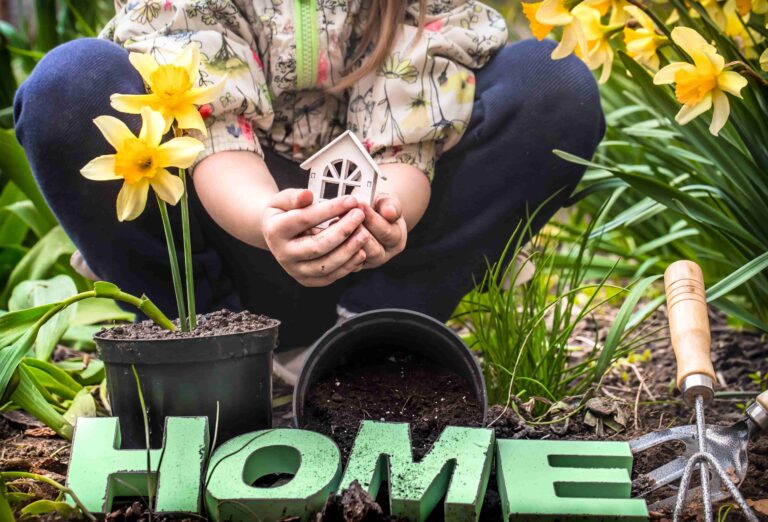

A house garden does not need a big yard. It can be a cluster of pots by the front door, a raised bed along the fence, or basil on a kitchen windowsill. The best house garden ideas start with the light and space you already have, so the list below is grouped by where each idea works best.
Spend a day watching your space. Full sun means roughly six or more hours of direct light, part shade is about three to six, and shade gets less. Most vegetables and herbs want full sun, while ferns and many foliage plants cope with less. Your USDA hardiness zone matters for perennials, and you can look yours up on the USDA Plant Hardiness Zone Map. Wind, heat, and rainfall in your area will also affect how plants perform.
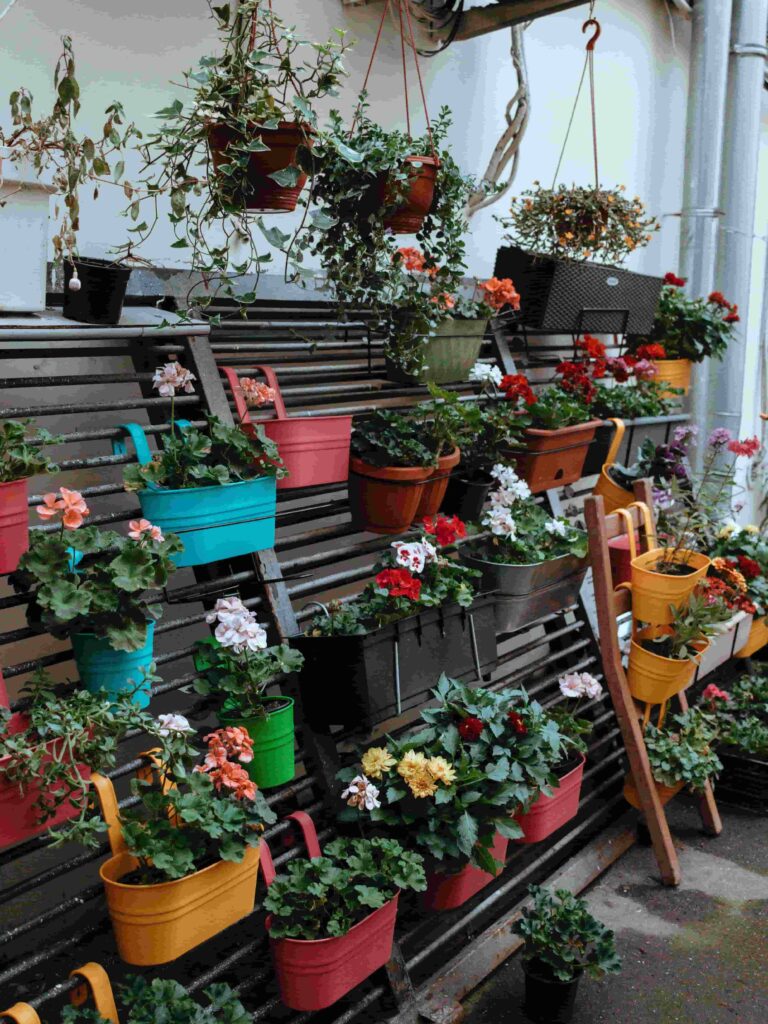
Set three pots of different heights together: a tall grass or dwarf evergreen, a flowering mid-size plant, and a trailing one such as sweet potato vine. Use pots with drainage holes and fresh potting mix.
Plant shrubs closest to the house, perennials in front, and a low groundcover at the edge. Leave a foot or two between plants and the wall for airflow and easy maintenance.
Convert a strip of turf to flowering plants native to your region. Native lists vary widely, so start with the Xerces Society pollinator resources and your local extension office.
Anchor boxes securely, because wet soil is heavy. Thyme, chives, and seasonal flowers work well, though small boxes dry out fast in summer.
A bed about four feet wide lets you reach the middle from either side without stepping on the soil. Fill it with quality topsoil and compost, then start with lettuce, bush beans, or zucchini.
Peas, pole beans, and cucumbers climb readily and save ground space. Install the support before planting so you do not disturb the roots later.
A shallow, planted dip catches runoff from a downspout and lets it soak in slowly. The EPA’s rain garden guidance covers siting, and the basin should sit well away from your foundation.
Put herbs a few steps from the back door so you actually use them. Rosemary and thyme like dry, well-drained soil, while parsley prefers more moisture. Keep mint in its own pot, since it spreads aggressively.
Hostas and ferns suit many shady spots, but needs differ by species. Check each plant in the Missouri Botanical Garden Plant Finder before buying.
Cherry tomatoes, peppers, and salad greens do well in containers. Give tomatoes a pot of roughly five gallons or more, and place them where they get direct sun most of the day.
Baskets free up floor space. Strawberries and trailing herbs suit them, but they dry out quickly, so check moisture daily in hot weather.
A south-facing window gives the most light in most of the US. Basil, chives, and parsley are practical choices, and a pot with a saucer keeps counters dry.
Pothos, snake plant, and ZZ plant tolerate dim rooms. All three appear on the ASPCA toxic plant list, so check it first if you have cats or dogs.
Cut a pothos stem just below a node, set it in a jar of water, and roots usually form within a few weeks. It costs almost nothing.
Kitchen scraps and yard waste turn into soil amendment for beds and pots. Keep a balance of green scraps and dry leaves, and avoid meat and dairy.
| Idea | Best light | Effort | Space |
|---|---|---|---|
| Container groupings | Sun to part shade | Low to medium | Porch or patio |
| Raised beds | Full sun | Medium | Yard |
| Rain garden | Varies by plants | Medium | Yard with runoff |
| Windowsill herbs | Bright window | Low | Indoors |
| Low-light houseplants | Low to medium | Low | Indoors |
| Balcony vegetables | Full sun | Medium | Balcony |
Most problems come from a few habits. Overwatering is a common cause of container plant decline, so check the soil with a finger before watering. Planting sun lovers in shade leads to leggy, weak growth. Skipping drainage holes traps water at the roots. And starting too big is a common trap: begin with two or three ideas and expand next season.
Windowsill herbs or a few containers by the door. They need little space, cost little, and show you quickly how your light and watering habits work.
Yes. Balconies, patios, windowsills, and shelves under grow lights all work. Containers and vertical supports make small spaces productive.
Safety varies by plant. Search each one in the ASPCA database before buying, and keep questionable plants out of reach.
Most fruiting vegetables such as tomatoes and peppers want six to eight hours of direct sun. Leafy greens tolerate less light, often doing fine with about four to five hours.
There is no fixed schedule. Check the top inch of soil, and water when it feels dry. Hot, windy weather and small pots mean more frequent watering.
A greener home rarely comes from one big project. It comes from a handful of small choices that match your light, your climate, and the time you actually have. A pot of herbs at the window teaches you how your space behaves. A raised bed or a pollinator strip then puts that knowledge to work outdoors, and a rain garden or compost bin makes the whole property work harder for you.
Pick the two ideas from this list that fit your space best, plant them this season, and keep notes on what does well. Local extension offices are a reliable place to ask about regional plant choices, and every successful plant you grow will make the next addition easier to plan.
Sign up for my newsletter to see new photos, tips, and blog posts.