Category: Outdoor Gardening

Step outside and let’s get our hands dirty. This is where we talk about everything from planning your backyard oasis and planting stunning flower beds to keeping your outdoor plants thriving through every season.

  • Easy Vertical Gardening Ideas for Small Spaces

    Easy Vertical Gardening Ideas for Small Spaces

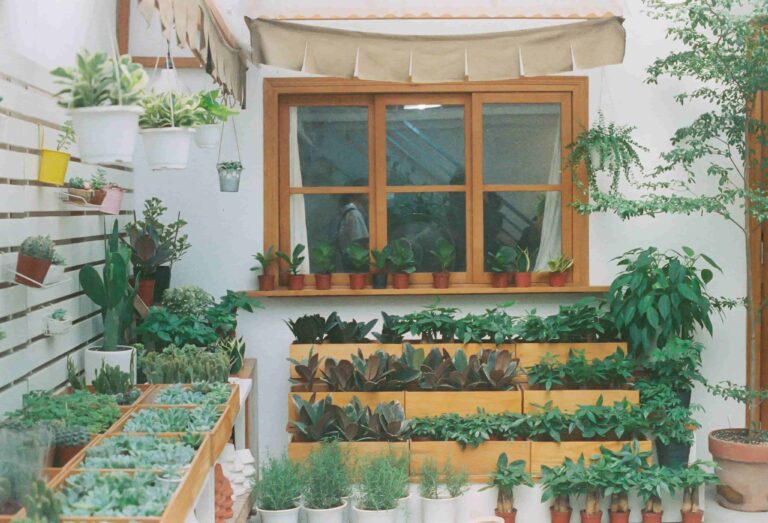
    When I moved into my first apartment, I had exactly one window and a balcony the size of a yoga mat. No yard, no patio, nothing. I figured my gardening days were over. Turns out I just hadn’t discovered vertical gardening yet — and once I did, that tiny balcony somehow fit more plants than my friend’s actual backyard. Funny how that works.

    If you’re dealing with a similar situation — small apartment, limited floor space, but a serious itch to grow something — a vertical garden might be exactly what you need. You’re not gardening less here, just gardening upward instead of outward.

    Why Go Vertical in the First Place

    Floor space is the obvious limitation in small apartments, but walls? Walls are usually wide open, doing nothing except holding up paint. A vertical garden takes advantage of that unused space, turning a blank wall or railing into something genuinely productive.

    There’s also a practical side beyond just looking nice. Plants grown vertically tend to get better airflow, meaning fewer issues with mold or pests. They’re easier to access for watering and pruning too, since you’re not crouching over rows on the ground. And a wall full of greenery just makes a small space feel less, well, small.

    Getting Started: What You’ll Actually Need

    You don’t need anything fancy to begin. A few basic supplies cover most setups: wall-mounted planters or a hanging system, lightweight potting soil, and plants that won’t outgrow their containers too quickly.

    Lighting matters more than people expect. Check how much natural light your wall or balcony gets before picking plants — a north-facing wall indoors is a very different situation than a sunny south-facing balcony. If light is limited, herbs and shade-tolerant plants will do far better than anything craving full sun.

    Wall Garden Ideas Worth Trying

    A wall garden doesn’t have to mean drilling forty holes into your rental and hoping for the best. There are plenty of renter-friendly options these days.

    Pocket planters are probably the easiest entry point — fabric or felt pockets that hang from a rod or hook, no permanent installation needed. They work great for herbs, small flowers, or trailing plants that’ll spill over the edges.

    Pallet gardens are another favorite, especially for balconies. An old wooden pallet, stood upright and lined with fabric, creates dozens of little planting pockets in one go. It looks rustic, it’s cheap, and it’s a satisfying weekend project if you’re into that sort of thing.

    For something more polished, modular wall planter systems let you click pots into a grid frame. You can rearrange them whenever you feel like switching things up, which is nice since your plant collection keeps growing — it always does.

    Hanging Plants: The Easiest Vertical Win

    If wall mounting feels like too much commitment, hanging plants are the simplest way to dip a toe into vertical gardening. Just a hook, a planter, and gravity doing the rest.

    Pothos and spider plants are nearly foolproof for beginners and trail beautifully once they get going. String of pearls and string of hearts look stunning cascading from a hanging basket, though they want a bit more sunlight than your average pothos. Herbs like thyme or oregano also work surprisingly well in hanging pots near a kitchen window, so fresh seasoning ends up basically within arm’s reach while you cook.

    How to Create a Vertical Garden on a Wall in a Small Apartment

    So, the actual process, step by step. Start by picking your spot — somewhere with decent light and enough wall or railing space to work with. Choose your structure next, whether that’s a pocket planter, a pallet, or a modular system, based on how much commitment (and drilling) you’re comfortable with.

    Pick plants suited to the light you’ve got rather than what looks prettiest on Pinterest. Lightweight, well-draining potting mix matters too, since heavier soil adds unnecessary weight to wall-mounted setups. Once everything’s planted, water consistently, but check drainage carefully, since vertical setups can dry out faster or drain poorly depending on the design.

    Give it a few weeks before judging results. Plants need time to settle into a new growing direction, literally.

    Tips for Long-Term Success

    Rotate plants occasionally so all sides get even light exposure, especially with wall-mounted setups where one side might shade another. Check soil moisture more often than you would with ground planting, since vertical containers dry out faster, particularly in warmer months.

    Trim regularly to keep growth manageable and prevent any one plant from overwhelming its neighbors. Don’t be afraid to mix things up — combining trailing plants with upright ones creates a fuller, more layered look that feels more alive.

    Conclusion

    Urban gardening doesn’t have to mean giving up on plants just because you’re short on square footage. A vertical garden turns unused wall space into something genuinely productive, whether you’re going for a full pocket-planter wall or just a few hanging pots near a sunny window. Start small, pick plants that match your light conditions, and let the collection grow from there. Before long, that empty wall might end up being the best part of your apartment.

    FAQs

    1. Is vertical gardening actually okay for renters, or will I lose my deposit? You’re fine, honestly. Stick with pocket planters or hanging hooks and skip anything that needs drilling — no permanent wall damage, no awkward conversation with your landlord later.

    2. What plants work best if I’m just starting in a small apartment? Pothos and spider plants are about as forgiving as it gets. Herbs like thyme or basil do well too, and they’re useful, which is always a nice bonus.

    3. How much sunlight does a wall garden actually need? This one really depends on what you’re growing, but as a rough rule, aim for at least four hours of indirect or filtered light a day. Worth checking your specific spot before committing to anything.

    4. Do vertical setups dry out faster than regular potted plants? Yeah, more often than not. Gravity and limited soil volume work against you a bit, so get into the habit of checking moisture rather than watering on autopilot.

    5. Can hanging plants and wall planters live in the same space together? They actually pair really well. Trailing plants softening the edges while upright ones hold structure tend to look fuller and less flat overall.

  • Modern Garden Design Ideas for Beautiful Outdoor Spaces

    Modern Garden Design Ideas for Beautiful Outdoor Spaces

    We moved into our current house two years ago, and the backyard was basically a rectangle of dead grass and one sad shrub nobody had touched in years. My partner wanted a lawn. I wanted something that looked intentional. We compromised on a design that ended up being neither — then spent another six months fixing it.

    What I learned from that disaster is that garden design isn’t about picking plants you like and hoping for the best. There’s a logic to it. Flow, proportion, how spaces connect, where your eye travels when you look at the yard. Get those things right, and even a modest backyard can feel genuinely impressive. Get them wrong, and more plants just means more mess.

    Starting With Garden Design Fundamentals

    Before you buy a single plant or lay a single stone, figure out what you’re actually working with. Size, shape, light conditions, existing trees or structures you’re designing around — all of this shapes what’s possible in your space.

    Good garden design works with the space rather than against it. A narrow side yard calls for different solutions than a wide open backyard. A heavily shaded area needs shade-tolerant plants regardless of what you’d prefer to grow there. An honest assessment of actual conditions saves expensive backtracking later.

    Sketch something out, even roughly. A piece of paper showing where things are roughly positioned does the job fine. Just having a top-down view makes it easier to spot problems before anything gets built or planted.

    Landscape Design Principles That Make a Difference

    Professional landscape design leans on a few core ideas that translate directly to home gardens. Repetition creates visual rhythm — using the same plant, material, or color in multiple spots ties a space together instead of making it feel chaotic.

    Layering matters too. Tall plants at the back, medium in the middle, and low-growing things at the front create depth that flat planting schemes miss entirely. Even a small border planted this way looks more considered than a random row of same-height plants.

    Curves look more natural than straight lines in planted areas. Curved beds soften the hard edges most yards already have from fences and walls. Straight lines work for formal designs and pathways — the contrast between hard and soft is part of what makes those spaces interesting.

    Creating a Home Garden Layout That Actually Works

    A home garden layout should account for how you actually use the space, not just how it looks in photos. Do you need a dining area? A play space? A pathway that connects parts of the yard without people walking through planted beds?

    Zones help. Divide the space into loose functional areas — seating, planting, maybe a utility corner that stays hidden — and design each one before worrying about how they connect. The connections usually become obvious once individual zones have some logic to them.

    Think about sight lines too, especially from inside the house. The view from your kitchen window gets looked at constantly, even when you’re not in the garden. Designing something that reads well from those viewpoints makes the whole space feel larger.

    Plant Arrangement Ideas That Elevate Any Space

    Plant arrangement is where a lot of home gardeners either nail it or quietly undermine everything else. Random planting — one of this, one of that, scattered wherever there’s space — almost always looks restless and busy.

    Odd numbers work better than even groupings. Three of one plant reads more naturally than two. Repeating plants in clusters rather than spreading them individually creates the cohesion that makes a garden feel designed rather than assembled.

    Pay attention to texture and foliage as much as flowers. Flowers are seasonal; leaves are there year-round. A mix of fine-textured and bold-textured foliage looks interesting even when nothing’s in bloom.

    Garden Design Ideas for Small Backyard and Front Yard

    Small spaces need a slightly different approach. Garden design ideas for small backyard and front yard situations usually involve making the space feel larger rather than cramming in everything you’d want in a bigger yard.

    Vertical elements help a lot — a trellis, wall-mounted planters, or tall narrow plants draw the eye upward and make compact spaces feel taller. Front yards specifically benefit from strong structure at the entrance — a clear path, defined edges, deliberate symmetry or asymmetry. First impressions matter more here than anywhere else in the garden.

    Outdoor Decor That Ties a Garden Together

    Outdoor decor adds personality that plants and structures alone can’t. It doesn’t mean cluttering every corner with ornaments — it means a few considered pieces that reinforce the overall feel of the space.

    A well-placed pot, a particular style of lighting, a bench that fits the aesthetic — these things anchor a garden’s character. Material consistency helps too. Mixing terracotta, plastic, wood, and metal containers in the same space usually just looks confused. Sticking to two or three materials throughout keeps everything feeling intentional.

    Conclusion

    Garden design doesn’t require a professional budget or a huge space to get right. Understanding a few core landscape design principles, planning a home garden layout that suits how you actually live, and making deliberate plant arrangement choices go further than most people expect. Whether you’re working with a small backyard, a front yard that needs some direction, or something in between — starting with a plan, even a rough one, changes everything.

    FAQs

    1. Where should I start with garden design if I’m a complete beginner? Sketch your space first, even roughly, and figure out the basics — sunlight, drainage, existing structures. Starting with a plan rather than individual plants makes all the decisions that follow easier.

    2. How do I make a small garden look bigger? Vertical planting, mirrors in enclosed spaces, and keeping the design simple rather than cluttered all help. Lighter colors and fine-textured plants also tend to make spaces feel more open.

    3. Do I need a professional landscape designer for a home garden? Not necessarily — plenty of beautiful home gardens are designed by their owners. A professional helps most with complex grading, drainage issues, or large-scale projects where mistakes get expensive fast.

    4. What’s the best way to arrange plants in a garden bed? Work in odd-numbered groups rather than pairs, layer by height from back to front, and repeat plants or colors in multiple spots across the bed to create visual rhythm.

    5. How important is garden decor compared to plants and structure? Decor adds personality that pure planting can’t, but it works best in support of the overall design rather than as the main feature. A few well-chosen pieces beat a lot of mismatched ones every time.

  • How to Create a Beautiful Flower Garden at Home

    How to Create a Beautiful Flower Garden at Home

    You walk past someone’s front yard, see this riot of color spilling out of every corner, and think — okay, how do they even do that? Mine just has the same three sad marigolds I planted in March. Honestly, most flower gardens that look effortless took a fair amount of planning behind the scenes, even if the result looks like it just happened naturally.

    Creating a beautiful flower garden at home isn’t really about having a green thumb you were born with. It’s mostly about understanding a handful of basics — what grows when, what needs what, and how to arrange things so your yard doesn’t just look like a random scatter of pots.

    Starting With Garden Design Before You Buy a Single Plant

    My mistake the first time around was buying flowers I liked at the nursery without any plan for where they’d actually go. Ended up with a weird, patchy mess that looked more accidental than intentional.

    A decent garden design usually starts with height and layering — taller plants toward the back or center, shorter ones in front, so nothing blocks anything else from being seen. Color grouping matters too; clustering three or five of the same flower together looks more deliberate than scattering single plants everywhere, which just reads as cluttered. Pathways, even informal ones made from stepping stones, give the eye somewhere to rest between all the color.

    Sketch it out roughly before planting anything, even just a rough shape on paper. It sounds excessive for a flower bed, but it saves you from digging things up later when you realize the tall sunflowers are blocking your favorite roses.

    Blooming Plants That Actually Deliver Color

    Not every flower blooms for long, and some look incredible for two weeks before going completely dormant for the rest of the season. Picking the right mix matters more than picking the prettiest individual flowers.

    • Zinnias and marigolds bloom continuously through summer and barely need babying
    • Roses give that classic, layered look, but they want more attention — pruning, feeding, and occasional pest watching
    • Daisies and cosmos fill gaps nicely and tend to self-seed, so they come back without much effort
    • Bulbs like tulips and daffodils deliver an early spring burst before fading back for the rest of the year

    The trick is combining early bloomers, summer bloomers, and late-season flowers so something’s always happening instead of one big burst followed by months of green nothing.

    Flower Care Basics Nobody Tells You Upfront

    Flowers, unlike some houseplants, generally want more attention than people expect going in. Deadheading spent blooms — basically snipping off flowers once they’ve faded — pushes most plants to keep producing more instead of going to seed and quitting for the season.

    Watering deeply but less frequently works better than daily light sprinkles for most established flower beds, since it encourages roots to grow deeper and handle dry spells better. Mulching around the base keeps moisture in and weeds down, which saves more maintenance time than almost anything else you could do. Fertilizing during active growth, roughly once a month with something balanced, keeps blooms coming rather than fizzling out early.

    Pests show up eventually, no matter what, so check leaves and buds every so often rather than waiting until something looks visibly wrong. Catching aphids early is a five-minute fix; catching them late sometimes means losing the whole plant.

    Seasonal Flowers and Working With the Calendar

    A garden that only blooms in May looks great for one month and pretty bare the other eleven, which is honestly where a lot of first-time gardeners go wrong without realizing it.

    Spring works well for bulbs and cool-season flowers like pansies, which prefer milder temperatures over intense heat. Summer is peak bloom season for most of the classics — zinnias, marigolds, cosmos, sunflowers — basically anything that loves full sun and doesn’t mind getting hot. Fall suits chrysanthemums and asters particularly well, giving color right as everything else winds down. Winter, depending on your climate, might mean very little blooming at all, though some climates support pansies or certain bulbs through cooler months.

    Karachi’s intense summer heat changes this calendar somewhat — flowers that thrive in milder climates during summer might struggle here, so timing things around the harshest heat matters more than following a generic seasonal guide built for cooler regions.

    Flower Gardening Tips for a Colorful Home Garden All Year

    Getting color across every season takes a bit of layering in your planning rather than planting everything at once. Stagger your planting so something’s always coming into bloom as something else fades. Mix perennials, which come back yearly, with annuals you replant each season for variety. Leave gaps intentionally rather than cramming every inch full, since you’ll likely want to swap things in and out as seasons change. And keep a rough note, even just on your phone, of what bloomed when — it makes planning next year’s garden much easier than guessing from memory.

    Conclusion

    A beautiful flower garden really comes down to planning for color across the whole year, rather than just buying whatever looks nice that day at the nursery. Think about layout before plants, mix bloom times so something’s always happening, and stay consistent with the basic care that keeps flowers producing rather than fading early. None of this requires special talent — just attention and a willingness to adjust as you learn what works in your specific yard. Give it a full year, and you’ll likely have a much clearer sense of what your garden genuinely wants.

    FAQs

    1. How do I plan a flower garden layout for beginners? Start with height in mind — taller plants toward the back, shorter ones up front — and group flowers in clusters of three or five rather than scattering single plants. A rough sketch beforehand saves a lot of digging up and redoing later.

    2. Which flowers bloom the longest with the least maintenance? Zinnias and marigolds are hard to beat for continuous summer color with minimal fuss. Daisies and cosmos come close to each other, and they tend to self-seed for next year.

    3. How often should I deadhead my flowers? Whenever you notice faded or spent blooms, really, there’s no strict schedule. Removing them regularly pushes most plants to keep producing new flowers instead of going to seed.

    4. Can I have a flower garden that blooms all year round? Mostly, yes, with the right mix of bulbs, perennials, and seasonal annuals layered together. Some downtime during extreme winter or summer heat is normal, depending on your climate, but you can minimize the gaps.

    5. What’s the most common mistake beginners make with flower gardens? Buying plants without a layout plan is probably the biggest one — it tends to create a cluttered, patchy look instead of something that feels intentional. Planning bloom times across seasons is the other big one people skip early on.

  • Urban Gardening Ideas for Modern City Living Spaces

    Urban Gardening Ideas for Modern City Living Spaces

    You’re surrounded by concrete, your nearest patch of soil is probably a park three blocks away, and yet here you are, scrolling through plant accounts wondering if you could actually grow something yourself. Honestly, you can — city living and gardening aren’t nearly as incompatible as they seem.

    Urban gardening has genuinely exploded over the last few years, partly because people are craving green space in places that weren’t designed to have much of it, and partly because it turns out you don’t need a backyard at all. Rooftops, balconies, windowsills, even a corner of a kitchen counter — all of it counts.

    Why Urban Gardening Has Become Such a Big Deal

    A coworker of mine grows tomatoes on her apartment’s shared rooftop and swears it’s the only reason she survived working from home through three different lockdowns. There’s something to that, honestly — gardening gives you a project that isn’t related to your screen, your job, or your phone, which feels increasingly rare these days.

    Beyond the mental health angle, there’s a practical side too. Growing even a fraction of your own herbs or vegetables cuts down grocery trips, tastes noticeably fresher, and gives you actual control over what goes into your food. None of this requires acreage — just figuring out what space you’ve got and working with it instead of wishing for a yard you don’t have.

    Rooftop Garden Ideas If You’ve Got Access to One

    If your building has a rooftop you can use, even partially, you’re sitting on more potential than most apartment dwellers get. Rooftops usually mean more direct sun than a shaded balcony would, which opens up options for sun-loving vegetables like tomatoes, peppers, and squash that struggle in dimmer spots.

    Weight is the thing people forget about until it becomes a problem. Soil gets heavy fast, especially when wet, so lightweight potting mixes and smaller raised beds work better than hauling bags of garden soil up multiple flights. Wind exposure tends to be stronger up there too — taller plants might need staking or some kind of windbreak, or you’ll find your tomato plant flat on its side after one bad afternoon.

    Check with building management before going all in, by the way. Some rooftops have weight restrictions or access rules that’ll save you a headache if you know about them upfront.

    Small Space Gardening When You’re Working With Almost Nothing

    Not everyone gets a rooftop, and that’s fine — a surprising amount can happen in genuinely tiny spaces.

    • A single sunny windowsill can support herbs like basil, chives, and parsley year-round
    • Stackable planters or tiered shelving units multiply your growing surface without needing extra floor space
    • Hanging plants free up counters and sills entirely, which matters more than you’d think in a studio apartment
    • Even a balcony railing fitted with planter boxes counts as legitimate growing space

    The mindset shift that actually helps here is thinking in layers instead of footprint. Most small spaces have unused vertical real estate — walls, railings, the backs of doors — that never gets considered because we’re conditioned to think of gardens as flat.

    Hydroponics for People With Zero Outdoor Space

    If you’ve genuinely got no access to soil, sunlight, or anything resembling a yard, hydroponics solves a problem that traditional gardening just can’t. Growing plants in nutrient-rich water instead of soil means you can set up a system entirely indoors, under grow lights, regardless of what’s happening outside your window.

    It sounds intimidating at first, mostly because the word itself sounds technical, but starter kits have gotten pretty beginner-friendly. Leafy greens and herbs tend to be the easiest entry point since they grow fast and forgive minor mistakes better than fruiting plants do. The upfront cost is higher than a few pots of soil, but you’re trading that for faster growth and zero dependence on whether your apartment actually gets decent sunlight.

    Vertical Garden Setups That Actually Save Space

    This is where urban gardening gets genuinely clever, honestly. When floor space runs out, going up just makes sense.

    Wall-mounted pocket planters turn an entire bare wall into a growing surface without touching your floor area. Trellises let vining plants like cucumbers or beans climb upward instead of sprawling sideways and eating up room you don’t have. A simple ladder shelf angled against a wall can hold a dozen small pots in the footprint of maybe two regular-sized ones.

    I’ve seen people repurpose old shoe organizers, the over-the-door fabric kind, into entire herb gardens — each pocket holding a different plant, hanging on the back of a door that would’ve otherwise done nothing useful.

    Urban Gardening Setup Ideas for Apartments and Small Homes

    Starting from scratch in an apartment usually goes smoother if you don’t try everything at once. Figure out your actual light situation first — south-facing windows get the most, north-facing the least, and most apartments fall somewhere in between. Pick two or three plants suited to whatever light you’ve got, not what you wish you had. Add vertical elements early since apartment floor space disappears fast once you start collecting pots. And keep a small watering can nearby, because hauling a full one across a tiny apartment gets old within a week.

    Conclusion

    Urban gardening proves you don’t need a yard, a rooftop, or even particularly great natural light to grow something worthwhile — you just need to work with whatever space you’ve got instead of waiting for ideal conditions that might never show up. Whether that means a windowsill herb garden, a hydroponic setup tucked in a closet, or a few vertical planters climbing up a balcony wall, there’s almost always a version of gardening that fits even the smallest city living space. Start with one or two plants and build outward from there.

    FAQs

    1. Can I start urban gardening with no outdoor space at all? Yes, definitely. Hydroponic setups and windowsill gardens let you grow plants entirely indoors, no balcony or yard required, though you’ll want a sunny window or grow lights either way.

    2. What’s the easiest vertical garden setup for beginners? Wall-mounted pocket planters or a simple tiered shelf tend to be the most forgiving starting point, mainly because they don’t require drilling or major installation if you’re renting.

    3. Do rooftop gardens need special permission in apartment buildings? Often, yes — checking with building management first is worth doing, since some rooftops have weight limits or access restrictions that could affect what you’re allowed to set up.

    4. Is hydroponic gardening more expensive than traditional gardening? The initial setup costs more than basic pots and soil, but ongoing costs tend to balance out since hydroponic systems often grow plants faster and waste less water overall.

    5. What plants work best for small space or balcony gardening? Herbs, leafy greens, and compact vegetable varieties bred specifically for containers tend to do best. Anything that needs serious room to spread out, like pumpkins or sprawling squash, generally isn’t worth the struggle in a small space.

  • Small Balcony Gardening Ideas for Urban Homes

    Small Balcony Gardening Ideas for Urban Homes

    You’ve got maybe 40 square feet of concrete, a railing, and a serious craving for something green in your life. Sound familiar? Living in a city apartment doesn’t exactly scream “garden,” but honestly, that tiny balcony of yours has way more potential than you’re giving it credit for.

    Balcony gardening has become a bit of an obsession for a lot of apartment dwellers lately, and it’s not hard to see why. You don’t need acres of land — just some smart planning, a few good containers, and plants that actually want to grow in tight spaces.

    Why Balcony Gardening Makes Sense for Urban Homes

    City living usually means trading outdoor space for convenience, and most people just accept that as the deal. But a balcony, even a small one, can become a genuinely productive garden if you set it up right. My neighbor turned her 6×4 balcony into something that produces enough herbs and cherry tomatoes that she barely buys either anymore.

    There’s also something calming about having plants around, especially when you live somewhere loud and concrete-heavy. A balcony garden gives you a slice of nature without needing a yard or much money at all.

    Space-Saving Plants That Actually Work in Tight Spots

    Not every plant belongs on a balcony. Some need way more room than you’ve got, and others just sulk in containers no matter what you do. Here’s what tends to actually thrive in small urban setups:

    • Herbs like basil, mint, and thyme — they’re forgiving, compact, and you’ll actually use them in cooking
    • Cherry tomatoes, especially dwarf or patio varieties bred specifically for containers
    • Lettuce and leafy greens, which grow fast and don’t need much depth
    • Dwarf citrus trees, if you’ve got a sunny spot and a bit more patience
    • Succulents, for the days you forget to water (we’ve all had those weeks)

    The trick is picking plants based on how much sun your balcony actually gets, not how much you wish it got. A north-facing balcony in Karachi summers is a different beast than a south-facing one — be honest with yourself about your light situation before falling for every plant on Pinterest.

    Container Gardening 101 for Small Balconies

    Containers are basically your soil, your garden bed, and your only real limitation, all rolled into one.

    Bigger isn’t always better, but it usually means less watering. Shallow pots dry out fast in hot weather, so go for the deepest container your space allows. Drainage holes are non-negotiable — without them, you’re basically growing root rot, not plants.

    A mix of pot sizes looks more intentional than a row of identical ones. Try grouping three or four different heights together; it creates depth and makes even a small balcony look layered instead of cluttered. Terracotta pots breathe better but dry out quicker, while plastic ones retain moisture longer — which matters more depends entirely on your climate.

    Vertical Garden Ideas When Floor Space Runs Out

    This is where balcony gardening gets genuinely creative. When you can’t go wider, you go up.

    Wall-mounted planters turn a bare railing or wall into actual growing space without eating into your floor area. Hanging baskets work great for trailing plants like cherry tomatoes or strawberries, and they free up the ground for bigger containers. A simple tiered plant stand can triple your growing area in the same footprint as a single large pot would take.

    I’ve seen people build entire pallet gardens against a balcony wall — repurposed wood, a few pockets stuffed with soil, and suddenly there’s a dozen herb plants living happily in something that used to be trash. It’s not fancy, but it works, and it costs next to nothing.

    Choosing the Right Plant Pots for Your Setup

    Plant pots aren’t just containers — they’re basically deciding how much work you’re signing up for. Self-watering pots are a genuine lifesaver if you travel often or just tend to forget things. They hold a water reservoir at the bottom that wicks moisture up as needed.

    Material matters more than people think. Metal pots heat up fast under direct sun and can cook plant roots in peak summer — worth keeping in mind if your balcony gets full afternoon sun. Fabric grow bags, on the other hand, are lightweight, foldable when not in use, and surprisingly good for root health since they prevent roots from circling endlessly like they do in plastic pots.

    Balcony Gardening Ideas for Small Apartments, Step by Step

    If you’re starting from absolute zero, here’s roughly how I’d approach it. Start with just two or three pots — overcommitting on day one is how balcony gardens die within a month. Pick plants suited to your actual light conditions rather than your aspirations. Add a vertical element early, even just one hanging basket, since floor space disappears faster than expected. Water consistently rather than heavily; small pots dry out quickly and need lighter, more frequent watering than ground soil does. And give it a few weeks before judging whether something’s working — plants need time to settle in.

    Conclusion

    A balcony doesn’t need to be big to actually function as a garden — it just needs a bit of thought behind it. Whether you’re growing herbs for your kitchen, a few pots of color, or attempting your first tomato plant, small space gardening is way more doable than most people assume going in. Start small, pay attention to what your specific balcony gives you in terms of sun and space, and adjust as you go. Give it a season, and you’ll probably be surprised by how much you can grow in such a small footprint.

    FAQs

    1. What are the easiest plants to grow on a small balcony? Herbs like mint and basil are about as forgiving as it gets, along with succulents if you’re prone to forgetting waterings. Patio-variety cherry tomatoes also do well for beginners.

    2. How much sunlight does a balcony garden actually need? Depends what you’re growing — leafy greens manage with partial sun, while tomatoes and most fruiting plants want at least six hours of direct light. Watch your balcony for a day or two before planting anything.

    3. Can I do container gardening without drainage holes? You can drill your own holes into most containers, and honestly, you should. Without proper drainage, water sits at the bottom, and roots start rotting within weeks.

    4. Are vertical gardens hard to maintain compared to regular pots? Not really, though they dry out a bit faster since they’re more exposed to air and sun. A regular watering schedule handles this fine — it’s about consistency, not extra effort.

    5. How do I start a balcony garden if I’m a complete beginner? Start with two or three easy plants in good containers, pay attention to your light conditions, and resist buying fifteen pots on your first nursery trip. Little, steady progress beats an ambitious setup that gets abandoned in a month.