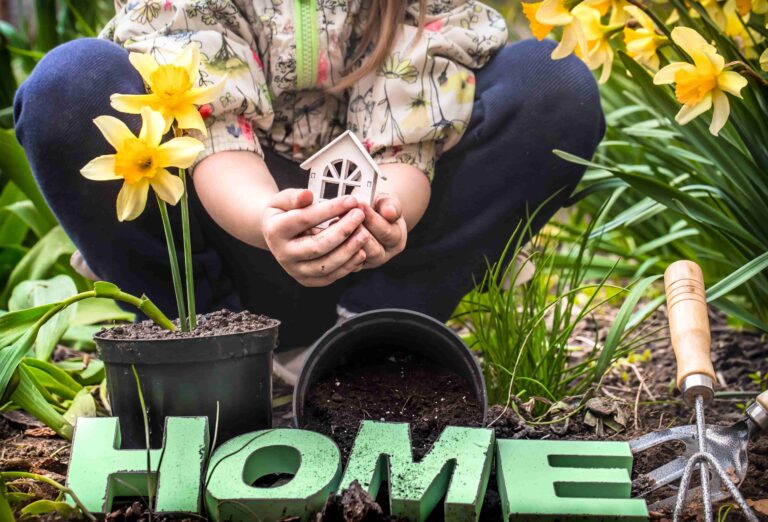

Keeping a few pretty pots alive on a windowsill is one thing. Building an actual productive home garden, the kind that hands you fresh basil for dinner or cherry tomatoes whenever you want them, is a different project entirely. A setup like that doesn’t just sit there looking nice. It works for you — herbs ready when needed, vegetables you didn’t have to buy, a small self-sustaining loop running right outside your door.
If you’re picturing a sprawling backyard or some rural homestead as a prerequisite, drop that idea. With a decent strategy, even a tiny corner of space can turn into something that actually produces.
This breaks down a practical home gardening setup for small spaces, built for beginners who want results without years of trial and error first.
Traditional rows in the ground usually aren’t an option when space is tight, which is exactly where urban gardening strategies earn their keep. Working with a small footprint means getting a little creative about how that space actually gets used.
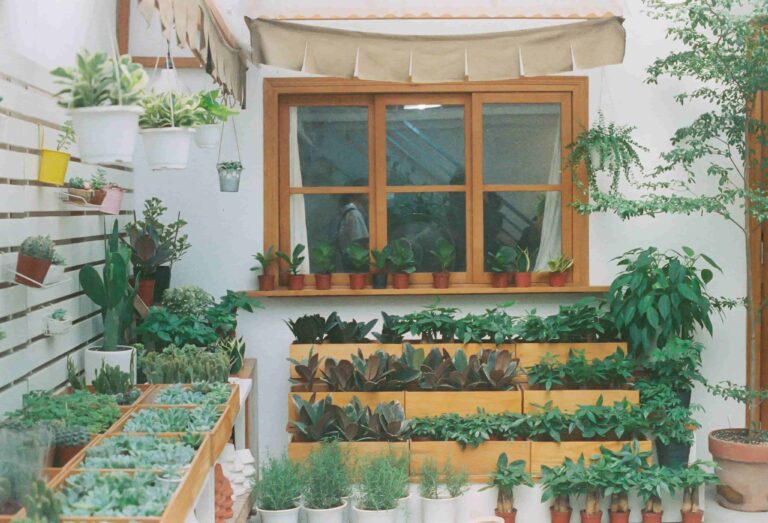
Walls and railings count as growing space too, not just the floor. Vertical planters, hanging baskets, wall-mounted shelves — any of these can roughly triple how much you’re able to grow without adding a single square foot of floor area.
Crop choice matters more than people expect going in. A head of iceberg lettuce gets harvested once, and that’s it, done. “Cut-and-come-again” salad greens work differently — snip the outer leaves and the plant just keeps producing more, all season long. In a small setup, that kind of repeat-yield crop is worth far more than something you harvest a single time.
Growing actual food is genuinely satisfying, but vegetables ask for more planning than a basic houseplant ever would. These are high-energy plants, meaning they burn through resources fast and need the right setup to actually produce a harvest worth eating.
Container size trips up more beginners than almost anything else. Cramming a tomato or pepper seedling into a small pot leads to a root-bound plant that stalls out and stops producing entirely. Fabric grow bags solve this well — lightweight, breathable, and they tend to encourage genuinely healthy root systems compared to plastic pots.
Soil deserves real attention, too. Skip the cheap, dense topsoil sold in bulk bags. A homemade mix works better — coco peat keeps moisture where roots can reach it, perlite handles drainage so things don’t get waterlogged, and a good compost or worm castings keep feeding the plant steadily over time instead of all at once. None of this is complicated to put together once you know the ratio.
Setting everything up is honestly the easy part. Keeping it productive long-term is where most beginners drop off, mostly because they either overdo it or forget entirely.
Small containers dry out fast, much faster than soil in the ground does. Checking daily makes a real difference here. Push a finger into the soil up to the first knuckle — dry down there, water it; still damp, leave it alone for another day.
When watering does happen, do it properly. Water until it’s actually running out the drainage holes at the bottom, not just a quick splash on top. This pushes roots to grow deeper instead of staying shallow and fragile near the surface.
Pruning matters more than most beginners realize, too. Pinching off dead leaves and yellowing stems keeps a plant’s energy focused where it’s actually useful. For tomatoes and basil specifically, trimming the top clusters forces the plant to branch outward and produce more, rather than just growing tall and thin.
Harvesting on time plays into this as well. Zucchini, peppers, and beans in particular tend to just stop producing if mature fruit sits too long on the vine. Picking early and picking often essentially tells the plant to keep going.
Packing plants close together in a small urban setup tends to bring two recurring headaches — pests and airflow that’s worse than it should be.
Check the undersides of leaves regularly, since that’s where bugs like aphids or spider mites usually hide first. Chemical sprays tend to wipe out beneficial insects along with the bad ones, so they’re rarely worth it. A homemade mix of water, neem oil, and a little dish soap, sprayed in the evening, handles most common pests without wrecking an otherwise organic setup.
What’s the biggest mistake beginners make with a small-space garden?
Undersized containers, easily. A tomato or pepper crammed into a pot that’s too small becomes root-bound fast and basically stops producing. Going slightly bigger than feels necessary almost always pays off later.
How often should I actually be watering my container plants?
No fixed schedule works for everyone — check the soil daily instead. If a finger is pushed an inch in, it comes out dry; water thoroughly until it runs from the bottom. If it’s still damp, skip that day entirely.
Can I really grow vegetables successfully without a backyard?
Yes, genuinely. Balconies, patios, and even a sunny windowsill ledge can support a surprising amount of food production with the right containers and crop choices. Vertical space often gets overlooked, but it adds a lot of capacity.
What’s a good organic way to deal with pests without harming my harvest?
A simple spray of water, neem oil, and a few drops of mild dish soap handles most common pests effectively. Applying it in the evening, rather than midday, avoids harming pollinators that are active during the day.
Why did my zucchini or pepper plant suddenly stop producing?
Letting mature fruit sit too long on the vine is the usual culprit. These particular plants tend to slow down or stop entirely if they’re not harvested regularly, since the plant senses it’s already “succeeded” and stops investing energy in new growth.
A productive home garden doesn’t need to be perfect from the very first day. It’s really about building a framework that works. Start with a handful of reliable crops, then spend time learning how your specific space responds to sun, wind, and whatever else nature throws at it along the way.
The first time you pick your own cherry tomatoes or toss fresh basil into a dish you’re cooking, the whole effort suddenly feels worth it. Take it one container at a time. Build a routine that actually fits your life, not someone else’s, and let growing your own food unfold at whatever pace feels right.
Sign up for my newsletter to see new photos, tips, and blog posts.