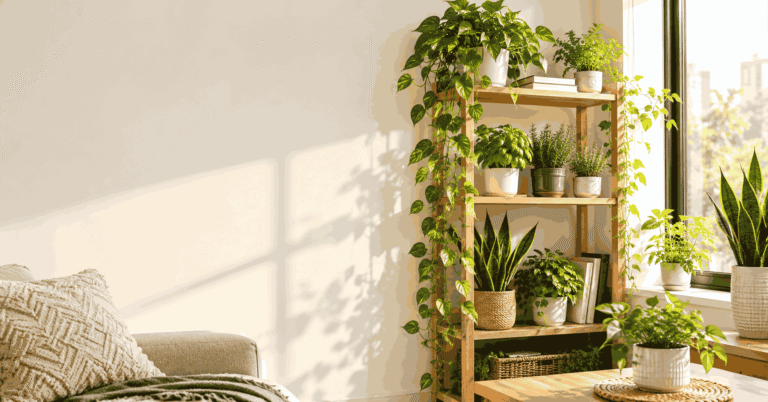

There’s a certain image everyone has in their head — coffee in hand, surrounded by green leaves, maybe a little sunlight coming through the window. Peaceful, right? Then reality shows up. You bring home a gorgeous potted plant with the best intentions in the world, and two weeks later it’s yellowing, drooping, or just… dead. No obvious reason why.
If that’s happened to you, take a breath. You don’t have a “black thumb,” and you’re definitely not the only one this has happened to. Gardening isn’t some rare talent some people are born with — it’s a skill, and like every skill, it’s mostly about knowing a handful of basics nobody bothered explaining clearly.
This guide walks through the actual gardening tips that matter, the kind that turn a graveyard of dead plants into something closer to a thriving little sanctuary, minus the stress and the guesswork.
You don’t need a sprawling backyard for any of this. A patio works just fine, a windowsill works too, and honestly, even a single balcony ledge is enough to get going. The fundamentals stay the same, no matter how much space you’re starting with.
Before buying a single bag of soil, spend a day just watching how light moves through wherever you’re planning to put plants. Most varieties want somewhere around 4 to 6 hours of direct sun. If you’re stuck with a balcony and nothing else, that’s genuinely fine — balcony gardening has become its own thing, and it’s perfect for a small, curated mix of herbs and compact pots.
Soil matters more than people expect going in. Scooping random dirt from outside usually packs down into something dense and root-suffocating. A decent potting mix combined with some organic compost gives roots actual room to breathe and pull nutrients. Good soil should crumble a little in your hand, not clump into mud.
And for your first few plants, skip anything fussy or dramatic. Pick the forgiving stuff instead — Pothos, Aloe Vera, Snake Plants, mint, coriander. These survive a missed watering or two without drama, and honestly, that kind of early win matters more for building confidence than people realize.
Most beginner mistakes trace back to one habit: loving plants a little too hard with the watering can. More plants die from overwatering than from thirst, by a wide margin. Before watering anything, push a finger about an inch into the soil first. Still damp down there? Leave it alone. Water only once that top layer’s gone properly dry.
Drainage matters just as much, and it’s the part people skip most often. A pot sitting in stagnant water is basically asking for root rot. Every single pot needs drainage holes at the bottom, full stop — no exceptions, no “it’ll probably be fine.”
Indoor plant care really comes down to understanding what your specific space offers, light-wise and airflow-wise. Plants like Peace Lilies or Cast Iron plants generally want bright, filtered light rather than harsh direct sun pouring straight onto their leaves. Near a window with a sheer curtain tends to be the sweet spot.
Airflow gets overlooked constantly. A plant sitting directly under an AC vent or right beside a heater dries out fast and basically goes into shock. Moving it just a few feet away from either one usually solves problems that seemed mysterious at first.
Skip the expensive chemical fertilizers — there’s a genuinely good, free alternative sitting in most kitchens already. Rinsed, used tea leaves bring a solid dose of nitrogen, while crushed eggshells add calcium on their own. Even banana peels work, oddly enough — soak them in water for a day or two, and you end up with a surprisingly potassium-rich liquid plants seem to genuinely love.
Pests are the other thing people panic about unnecessarily. A homemade spray with a few drops of neem oil, water, and a tiny bit of dish soap keeps most bugs away without dumping toxic chemicals into your living space. A light mist on the leaves every so often does the job.
How do I know if I’m overwatering my plants? Check the soil before watering, every time, rather than sticking to a fixed schedule. If your finger comes up damp an inch deep, hold off. Yellowing leaves combined with consistently soggy soil is usually the clearest sign that watering is the actual problem.
What’s the easiest plant for a complete beginner to start with? Pothos and Snake Plants are about as forgiving as it gets. Both tolerate inconsistent watering and low light reasonably well, which makes them ideal for someone still figuring out their rhythm.
Can I really start gardening with just a balcony or a windowsill? Absolutely. Plenty of dedicated balcony gardeners grow herbs, small flowering plants, and even compact vegetables in nothing more than a few well-placed pots. Space matters less than getting the light and watering right.
Is organic gardening actually as effective as using chemical fertilizers? For most home gardeners, yes. Kitchen scraps like eggshells, tea leaves, and banana peel water provide real nutrients without the risk of overfeeding or chemical buildup that synthetic fertilizers sometimes cause.
Why do my plant’s leaves keep turning yellow even though I’m watering regularly? Yellowing usually points to overwatering rather than underwatering, somewhat counterintuitively. It can also mean the plant isn’t getting enough light, or that drainage is poor and water’s sitting at the roots longer than it should.
Gardening, more than anything else, rewards patience. Every gardener who’s any good at it now has killed a few plants along the way — that’s just part of how the learning happens, not a sign you’re doing something fundamentally wrong.
Check in on your plants for a few minutes each day and actually pay attention to what they’re telling you, instead of just glancing and moving on. Watching a small sprout you’ve cared for turn into something genuinely thriving is one of those quiet satisfactions that’s hard to explain until you’ve felt it. Bring one plant home and start there.
Sign up for my newsletter to see new photos, tips, and blog posts.