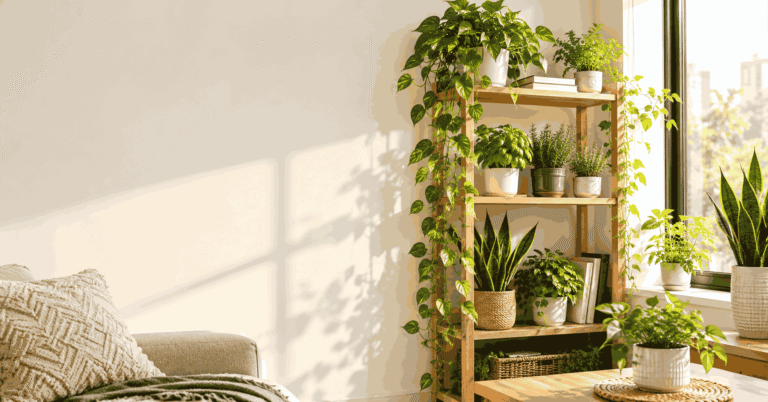

You’re surrounded by concrete, your nearest patch of soil is probably a park three blocks away, and yet here you are, scrolling through plant accounts wondering if you could actually grow something yourself. Honestly, you can — city living and gardening aren’t nearly as incompatible as they seem.
Urban gardening has genuinely exploded over the last few years, partly because people are craving green space in places that weren’t designed to have much of it, and partly because it turns out you don’t need a backyard at all. Rooftops, balconies, windowsills, even a corner of a kitchen counter — all of it counts.
A coworker of mine grows tomatoes on her apartment’s shared rooftop and swears it’s the only reason she survived working from home through three different lockdowns. There’s something to that, honestly — gardening gives you a project that isn’t related to your screen, your job, or your phone, which feels increasingly rare these days.
Beyond the mental health angle, there’s a practical side too. Growing even a fraction of your own herbs or vegetables cuts down grocery trips, tastes noticeably fresher, and gives you actual control over what goes into your food. None of this requires acreage — just figuring out what space you’ve got and working with it instead of wishing for a yard you don’t have.
If your building has a rooftop you can use, even partially, you’re sitting on more potential than most apartment dwellers get. Rooftops usually mean more direct sun than a shaded balcony would, which opens up options for sun-loving vegetables like tomatoes, peppers, and squash that struggle in dimmer spots.
Weight is the thing people forget about until it becomes a problem. Soil gets heavy fast, especially when wet, so lightweight potting mixes and smaller raised beds work better than hauling bags of garden soil up multiple flights. Wind exposure tends to be stronger up there too — taller plants might need staking or some kind of windbreak, or you’ll find your tomato plant flat on its side after one bad afternoon.
Check with building management before going all in, by the way. Some rooftops have weight restrictions or access rules that’ll save you a headache if you know about them upfront.
Not everyone gets a rooftop, and that’s fine — a surprising amount can happen in genuinely tiny spaces.
The mindset shift that actually helps here is thinking in layers instead of footprint. Most small spaces have unused vertical real estate — walls, railings, the backs of doors — that never gets considered because we’re conditioned to think of gardens as flat.
If you’ve genuinely got no access to soil, sunlight, or anything resembling a yard, hydroponics solves a problem that traditional gardening just can’t. Growing plants in nutrient-rich water instead of soil means you can set up a system entirely indoors, under grow lights, regardless of what’s happening outside your window.
It sounds intimidating at first, mostly because the word itself sounds technical, but starter kits have gotten pretty beginner-friendly. Leafy greens and herbs tend to be the easiest entry point since they grow fast and forgive minor mistakes better than fruiting plants do. The upfront cost is higher than a few pots of soil, but you’re trading that for faster growth and zero dependence on whether your apartment actually gets decent sunlight.
This is where urban gardening gets genuinely clever, honestly. When floor space runs out, going up just makes sense.
Wall-mounted pocket planters turn an entire bare wall into a growing surface without touching your floor area. Trellises let vining plants like cucumbers or beans climb upward instead of sprawling sideways and eating up room you don’t have. A simple ladder shelf angled against a wall can hold a dozen small pots in the footprint of maybe two regular-sized ones.
I’ve seen people repurpose old shoe organizers, the over-the-door fabric kind, into entire herb gardens — each pocket holding a different plant, hanging on the back of a door that would’ve otherwise done nothing useful.
Starting from scratch in an apartment usually goes smoother if you don’t try everything at once. Figure out your actual light situation first — south-facing windows get the most, north-facing the least, and most apartments fall somewhere in between. Pick two or three plants suited to whatever light you’ve got, not what you wish you had. Add vertical elements early since apartment floor space disappears fast once you start collecting pots. And keep a small watering can nearby, because hauling a full one across a tiny apartment gets old within a week.
Urban gardening proves you don’t need a yard, a rooftop, or even particularly great natural light to grow something worthwhile — you just need to work with whatever space you’ve got instead of waiting for ideal conditions that might never show up. Whether that means a windowsill herb garden, a hydroponic setup tucked in a closet, or a few vertical planters climbing up a balcony wall, there’s almost always a version of gardening that fits even the smallest city living space. Start with one or two plants and build outward from there.
1. Can I start urban gardening with no outdoor space at all? Yes, definitely. Hydroponic setups and windowsill gardens let you grow plants entirely indoors, no balcony or yard required, though you’ll want a sunny window or grow lights either way.
2. What’s the easiest vertical garden setup for beginners? Wall-mounted pocket planters or a simple tiered shelf tend to be the most forgiving starting point, mainly because they don’t require drilling or major installation if you’re renting.
3. Do rooftop gardens need special permission in apartment buildings? Often, yes — checking with building management first is worth doing, since some rooftops have weight limits or access restrictions that could affect what you’re allowed to set up.
4. Is hydroponic gardening more expensive than traditional gardening? The initial setup costs more than basic pots and soil, but ongoing costs tend to balance out since hydroponic systems often grow plants faster and waste less water overall.
5. What plants work best for small space or balcony gardening? Herbs, leafy greens, and compact vegetable varieties bred specifically for containers tend to do best. Anything that needs serious room to spread out, like pumpkins or sprawling squash, generally isn’t worth the struggle in a small space.
Sign up for my newsletter to see new photos, tips, and blog posts.