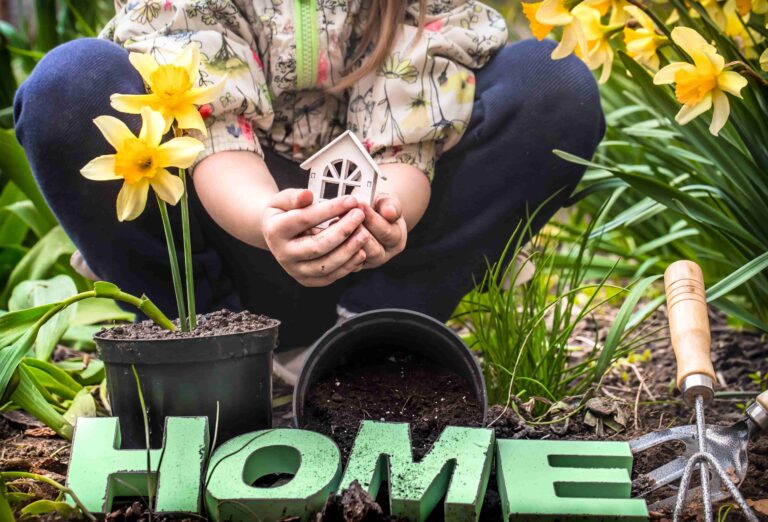

Your garden looked amazing in spring, and now it’s July and half the plants look like they’ve given up on life. Sound familiar? Honestly, this happens to almost everyone — gardens aren’t a one-time setup; they’re an ongoing relationship, and most of us only realize that after watching something wilt.
Garden maintenance doesn’t have to mean hours of weekend labor or hiring someone every season. A lot of it comes down to a few consistent habits done regularly, rather than occasional bursts of intense effort.
So my uncle, for the longest time, used to do this thing where he’d clear an entire Sunday once a month for garden cleanup — convinced that was plenty. It wasn’t, really. His plants kept swinging between overgrown and stressed, never quite settling into anything you’d call balanced. Eventually, he gave in and started doing just 15 minutes most days instead, and honestly, the change showed up faster than he expected — healthier growth, noticeably fewer pest issues, a lot less of that scrambling feeling.
Plants don’t really care about your schedule. They need water when they’re thirsty, not when it’s convenient, and they need dead growth removed before it starts pulling energy from healthy parts. Small, frequent check-ins catch problems early, while monthly marathon sessions usually mean fixing things that have already gotten bad.
Most people focus entirely on what’s above ground and basically ignore the dirt their plants are rooted in, which is a bit backwards. Soil is where everything actually happens.
A few things worth doing regularly:
Compacted, nutrient-poor soil is honestly behind more plant problems than people realize. You can water perfectly and still end up with sad-looking plants if the soil underneath is exhausted.
Overwatering kills more plants than underwatering does, which surprises a lot of beginners. The fix isn’t a strict schedule — it’s learning to read what your plants and soil are telling you.
Stick your finger about two inches into the soil before watering. If it’s still damp, skip it for the day. Most established plants do better with deep, infrequent watering rather than light daily sprinkles, since this encourages roots to grow downward instead of staying shallow near the surface. Morning watering tends to work best, too, giving leaves time to dry before evening, which cuts down on fungal issues.
Container plants are a different story — they dry out way faster than garden beds, sometimes needing daily attention in peak summer heat. Ground soil holds moisture longer simply because there’s more of it.
Pruning intimidates a lot of people, mostly because it feels permanent — like you might ruin the plant if you cut wrong. Realistically, though, most plants respond well to regular trimming and actually grow back fuller for it.
Remove dead or yellowing leaves as soon as you spot them; they’re not coming back, and leaving them on just wastes the plant’s energy. Cut just above a leaf node when shaping growth, since that’s where new shoots emerge from. For flowering plants, deadheading spent blooms regularly often pushes them to produce more flowers rather than putting energy into seeds. As for timing — and people underestimate this — pruning right before a major growth season tends to work out better than just doing it whenever you remember to.
A garden in April needs completely different attention than the same garden in August, and treating every month the same is where a lot of maintenance plans fall apart.
Spring is mostly about planting, feeding the soil, and getting ahead of weeds before they establish. Then summer hits, and it’s basically all watering and pest control for a few months straight — the heat stresses everything out and somehow attracts every insect within a mile looking for moisture. Fall is for cutting back, mulching for winter protection, and dividing perennials that have outgrown their space. Winter, depending on your climate, might mean very little active work besides protecting sensitive plants from frost.
Karachi’s climate skips the harsh winter dormancy a lot of gardening guides assume, so seasonal adjustments here lean more toward managing intense summer heat than worrying about frost.
You really don’t need a landscaper showing up monthly to keep a garden alive and thriving. What you need is consistency, a basic understanding of your specific plants, and the willingness to actually look at your garden regularly instead of just walking past it.
Start by learning what each plant actually needs rather than treating them all identically — a cactus and a fern have wildly different requirements, yet people often water everything on the same schedule anyway. Keep basic tools on hand: pruning shears, a trowel, gloves, a watering can you’ll actually use. And don’t stress about perfection. Even professional gardens have a few struggling plants here and there; the goal is overall health, not flawless symmetry.
Garden maintenance, at its core, is just paying attention consistently rather than occasionally. You don’t need expensive tools, a professional eye, or hours of free time every weekend — you need fifteen minutes most days and a willingness to notice when something’s off before it spirals. Soil care, sensible watering, regular pruning, and adjusting for the season cover most of what keeps a garden healthy. Give your routine a season or two to settle, and maintaining your own garden will likely feel far more manageable than it first seemed.
1. How often should I water my garden? Depends heavily on your soil, plant type, and weather, but checking the soil two inches down before watering beats following a fixed schedule. Most established plants prefer deep watering a few times a week over light daily watering.
2. What’s the easiest way to improve poor soil? Working compost into the soil every few months is probably the simplest fix. It adds nutrients back gradually and improves moisture retention without waterlogging things.
3. When is the best time to prune plants? Generally, right before a major growth season, though removing dead or damaged growth can happen anytime. Avoid heavy pruning right before extreme weather since plants need time to recover.
4. Can I maintain a healthy garden without hiring a professional? Yes, absolutely. Most garden maintenance is about consistency rather than specialized skill — regular watering, occasional soil care, and basic pruning cover most of what a garden needs.
5. How do seasonal changes affect garden maintenance? Quite a bit. Spring focuses on planting and soil prep, summer on watering and pest control, fall on cutting back and mulching, winter on protecting sensitive plants — though this varies depending on your local climate.

Sign up for my newsletter to see new photos, tips, and blog posts.