
We moved into our current house two years ago, and the backyard was basically a rectangle of dead grass and one sad shrub nobody had touched in years. My partner wanted a lawn. I wanted something that looked intentional. We compromised on a design that ended up being neither — then spent another six months fixing it.
What I learned from that disaster is that garden design isn’t about picking plants you like and hoping for the best. There’s a logic to it. Flow, proportion, how spaces connect, where your eye travels when you look at the yard. Get those things right, and even a modest backyard can feel genuinely impressive. Get them wrong, and more plants just means more mess.
Before you buy a single plant or lay a single stone, figure out what you’re actually working with. Size, shape, light conditions, existing trees or structures you’re designing around — all of this shapes what’s possible in your space.
Good garden design works with the space rather than against it. A narrow side yard calls for different solutions than a wide open backyard. A heavily shaded area needs shade-tolerant plants regardless of what you’d prefer to grow there. An honest assessment of actual conditions saves expensive backtracking later.
Sketch something out, even roughly. A piece of paper showing where things are roughly positioned does the job fine. Just having a top-down view makes it easier to spot problems before anything gets built or planted.
Professional landscape design leans on a few core ideas that translate directly to home gardens. Repetition creates visual rhythm — using the same plant, material, or color in multiple spots ties a space together instead of making it feel chaotic.
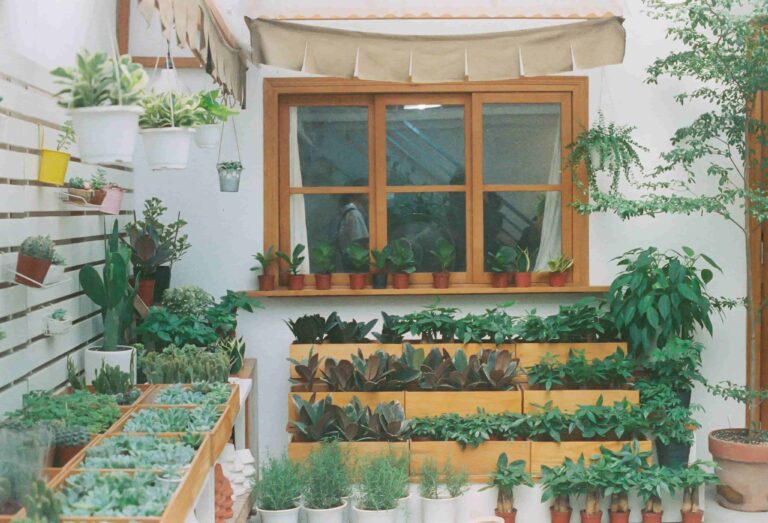
Layering matters too. Tall plants at the back, medium in the middle, and low-growing things at the front create depth that flat planting schemes miss entirely. Even a small border planted this way looks more considered than a random row of same-height plants.
Curves look more natural than straight lines in planted areas. Curved beds soften the hard edges most yards already have from fences and walls. Straight lines work for formal designs and pathways — the contrast between hard and soft is part of what makes those spaces interesting.
A home garden layout should account for how you actually use the space, not just how it looks in photos. Do you need a dining area? A play space? A pathway that connects parts of the yard without people walking through planted beds?
Zones help. Divide the space into loose functional areas — seating, planting, maybe a utility corner that stays hidden — and design each one before worrying about how they connect. The connections usually become obvious once individual zones have some logic to them.
Think about sight lines too, especially from inside the house. The view from your kitchen window gets looked at constantly, even when you’re not in the garden. Designing something that reads well from those viewpoints makes the whole space feel larger.
Plant arrangement is where a lot of home gardeners either nail it or quietly undermine everything else. Random planting — one of this, one of that, scattered wherever there’s space — almost always looks restless and busy.
Odd numbers work better than even groupings. Three of one plant reads more naturally than two. Repeating plants in clusters rather than spreading them individually creates the cohesion that makes a garden feel designed rather than assembled.
Pay attention to texture and foliage as much as flowers. Flowers are seasonal; leaves are there year-round. A mix of fine-textured and bold-textured foliage looks interesting even when nothing’s in bloom.
Small spaces need a slightly different approach. Garden design ideas for small backyard and front yard situations usually involve making the space feel larger rather than cramming in everything you’d want in a bigger yard.
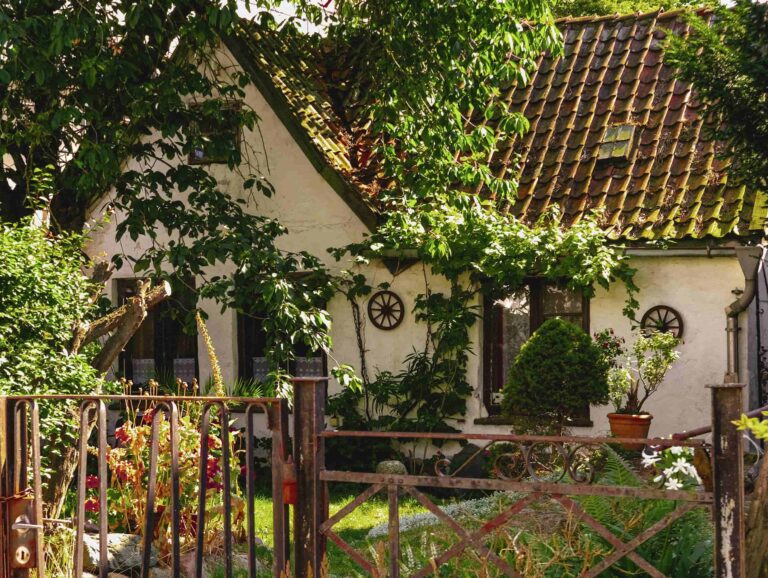
Vertical elements help a lot — a trellis, wall-mounted planters, or tall narrow plants draw the eye upward and make compact spaces feel taller. Front yards specifically benefit from strong structure at the entrance — a clear path, defined edges, deliberate symmetry or asymmetry. First impressions matter more here than anywhere else in the garden.
Outdoor decor adds personality that plants and structures alone can’t. It doesn’t mean cluttering every corner with ornaments — it means a few considered pieces that reinforce the overall feel of the space.
A well-placed pot, a particular style of lighting, a bench that fits the aesthetic — these things anchor a garden’s character. Material consistency helps too. Mixing terracotta, plastic, wood, and metal containers in the same space usually just looks confused. Sticking to two or three materials throughout keeps everything feeling intentional.
Garden design doesn’t require a professional budget or a huge space to get right. Understanding a few core landscape design principles, planning a home garden layout that suits how you actually live, and making deliberate plant arrangement choices go further than most people expect. Whether you’re working with a small backyard, a front yard that needs some direction, or something in between — starting with a plan, even a rough one, changes everything.
1. Where should I start with garden design if I’m a complete beginner? Sketch your space first, even roughly, and figure out the basics — sunlight, drainage, existing structures. Starting with a plan rather than individual plants makes all the decisions that follow easier.
2. How do I make a small garden look bigger? Vertical planting, mirrors in enclosed spaces, and keeping the design simple rather than cluttered all help. Lighter colors and fine-textured plants also tend to make spaces feel more open.
3. Do I need a professional landscape designer for a home garden? Not necessarily — plenty of beautiful home gardens are designed by their owners. A professional helps most with complex grading, drainage issues, or large-scale projects where mistakes get expensive fast.
4. What’s the best way to arrange plants in a garden bed? Work in odd-numbered groups rather than pairs, layer by height from back to front, and repeat plants or colors in multiple spots across the bed to create visual rhythm.
5. How important is garden decor compared to plants and structure? Decor adds personality that pure planting can’t, but it works best in support of the overall design rather than as the main feature. A few well-chosen pieces beat a lot of mismatched ones every time.
Sign up for my newsletter to see new photos, tips, and blog posts.